 Deutsch
 English
 中文
中文
 Danish
 Eesti
Eesti
 Español
 Suomi
Suomi
 Français
 Italiano
 日本語
日本語
 한국
한국
 Nederlands
 Norge
Norge
 Polski
 Portugues
 Русский
 Svenska
 Türkçe
 العربية
 Romanesc
 български
Visit Hannover - Visit Lower Saxony
Hannover - Lower Saxony - State Capital
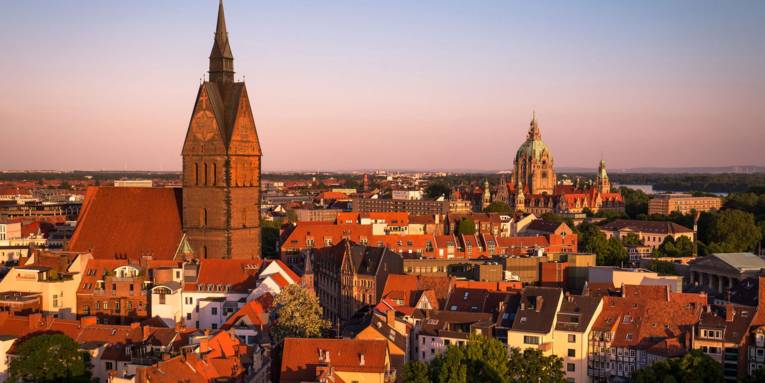
Hannover, the capital of Lower Saxony
Discover Lower Saxony, discover Hannover—welcome!
Hanover – Lower Saxony – The state capital is at the heart of a region characterized by urban density, diverse local recreational areas, and a functional transportation network. The Region Hannover combines urban infrastructure with a landscape of lakes, river basins, forests, and green corridors. Users frequently seek information on quality of life, cultural offerings, economic structures, and transportation connections. The following text provides a structured overview of these regional characteristics.
1. Quality of Life and Spatial Structure of the Region Hannover
The city and nature in the immediate vicinity
The Region Hannover combines urban neighborhoods with expansive natural and recreational areas. The Eilenriede City Forest, Lake Masch, the banks of the Ihme and Leine rivers, and numerous protected areas define the landscape. This spatial diversity allows for short distances between residential areas, workplaces, and recreational destinations. The proximity of urban amenities to natural areas is often a key factor in assessing quality of life.
Regional Mobility and Connectivity
The Region Hannover is served by a dense network of light rail lines, commuter trains, bus routes, and bike paths. The main train station serves as the region’s primary transportation hub. This system provides seamless connections between the city and the surrounding municipalities in the region. This network plays a vital role in daily mobility and commuting.
2. Hannover – Lower Saxony’s state capital in its regional role
Science, Business, and Urban Development
Hannover – Lower Saxony – The state capital serves as the administrative and economic hub of the region. Research institutions, universities, and technology centers bring together expertise across various fields. This creates a diverse economic landscape for companies in industry, services, logistics, and healthcare. People often ask why the region is so economically significant; the concentration of knowledge, infrastructure, and jobs is a key factor.
Cultural Significance and Urban Identity
Cultural institutions such as opera houses, theaters, museums, and concert halls contribute to the city’s profile and, by extension, that of the entire region. The designation as a UNESCO City of Music underscores this cultural identity. The city’s historical connection to Gottfried Wilhelm Leibniz complements the image of a city that bridges cultural heritage and the contemporary creative industries.
3. Culture, Events, and Attractions in the Region Hannover
Cultural institutions and recreational activities
The Region Hannover offers a wide variety of museums and cultural attractions. In addition to institutions within the city limits, regional museums, galleries, and exhibition venues also contribute to the cultural landscape. The Herrenhausen Gardens and the Hannover Adventure Zoo are among the most popular destinations for visitors. Inquiries often focus on information regarding locations, accessibility, and seasonal programs.
Events and local happenings
Major events such as the Maschseefest, the Schützenfest, or sporting events are primarily held within the city limits but have an impact on the entire region. These events blend tradition, recreational culture, and urban life. For attendees, it is important to know when the events take place, how to get there, and what activities are offered.
4. Natural Areas and Recreation in the Region Hannover
Lakeside landscapes, protected areas, and green spaces
The Region Hannover boasts numerous recreational areas, such as Lake Steinhude, the Leine floodplain, the Eilenriede, and other protected areas. These areas are ideal for activities such as walking, cycling, and water sports. Since people often look for recreational opportunities close to home, the concentration of such natural areas provides clear points of reference.
Recreational use and regional offerings
In addition to natural areas, the region’s municipalities offer parks, zoos, family activities, and local cultural events. The short distances within the association’s territory make it easy to plan day trips and weekend activities. The region’s structured transportation and route planning provides answers to the question of which destinations are easily accessible.
5. Central location and regional connections
Infrastructure in the Urban-Rural Context
The Region Hannover forms a cohesive transportation and residential area characterized by easy access to the city of Hannover. Connections via public transportation, bike paths, and roads make it easy to take advantage of educational, cultural, and recreational opportunities. This provides commuters and visitors with a clearly structured sense of direction.
Regional recreational and service facilities
Amusement parks, zoos, wellness facilities, and seasonal recreational destinations are all within easy reach. The location in the center of the regional area ensures that these attractions are equally accessible. User inquiries often concern distances, public transportation connections, and the accessibility of facilities—factors that are addressed by the regional infrastructure.
Discover Lower Saxony—discover Hannover, the perfect city and Region Hannover!
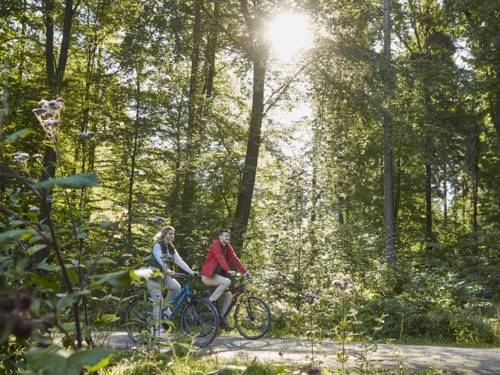
All information, all tips
Holiday Region Hannover
Whether on foot, by bike, on horseback, or on the water—here you’ll find places to visit, routes, and tips for the Region Hannover vacation area.
read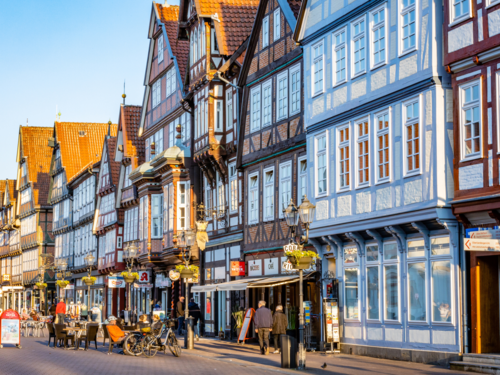
Historic, vibrant, unique
9 cities + 2 in Lower Saxony
A tour of the nine +2 cities in Lower Saxony offers plenty of variety.
read
From Hannover through Lower Saxony...
Visit Lower Saxony
Hannover, the state capital, is centrally located, allowing tourists and short-stay visitors to reach any region of Lower Saxony in just a few hours. Bek...
read