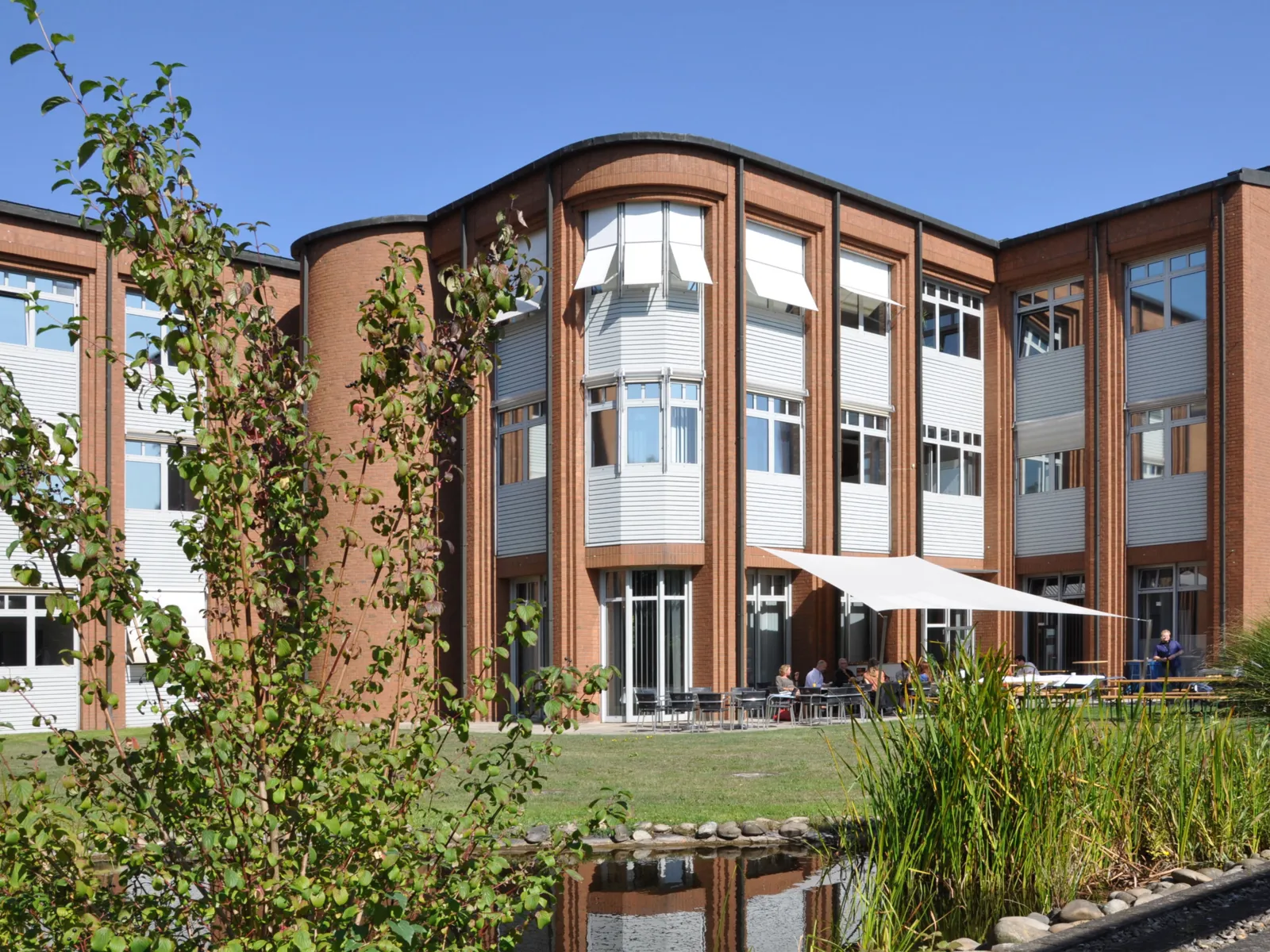
Since then, medical professionals and basic scientists from a wide range of disciplines have been working side by side here, in the immediate vicinity of the MHH campus, on infectious disease research. The focus is on translational research—that is, the interface between basic research and clinical development.
Infectious diseases have been brought under control in many parts of the world. However, they have not been defeated; on the contrary, microbes are developing resistance to drugs, and global trade and travel are spreading pathogens around the world at an ever-increasing rate. Tuberculosis, AIDS, hepatitis, and malaria threaten the health of many millions of people. The SARS-CoV-2 pandemic has made it clear just how great the threat from infectious pathogens still is today.
The latest findings from basic research are intended to lead directly to new therapies or diagnostic procedures for patients. At the same time, basic researchers are seeking answers to questions raised by clinical practice. Another key component of this translational bridge between research and practice is the regulatory approval process, which must be completed for all clinical applications. Here, scientists at TWINCORE support the development of new strategies against infectious diseases by establishing a scientific basis for risk assessment prior to clinical trials.

 Deutsch
 English
 中文
中文
 Danish
 Eesti
Eesti
 Español
 Suomi
Suomi
 Français
 Italiano
 日本語
日本語
 한국
한국
 Nederlands
 Norge
Norge
 Polski
 Portugues
 Русский
 Svenska
 Türkçe
 العربية
 Română
 български