
 Deutsch
 English
 中文
中文
 Danish
 Eesti
Eesti
 Español
 Suomi
Suomi
 Français
 Italiano
 日本語
日本語
 한국
한국
 Nederlands
 Norge
Norge
 Polski
 Portugues
 Русский
 Svenska
 Türkçe
 العربية
 Română
 български
Special plant features
The mountain garden
More than 12,000 plant species bloom in the Berggarten.
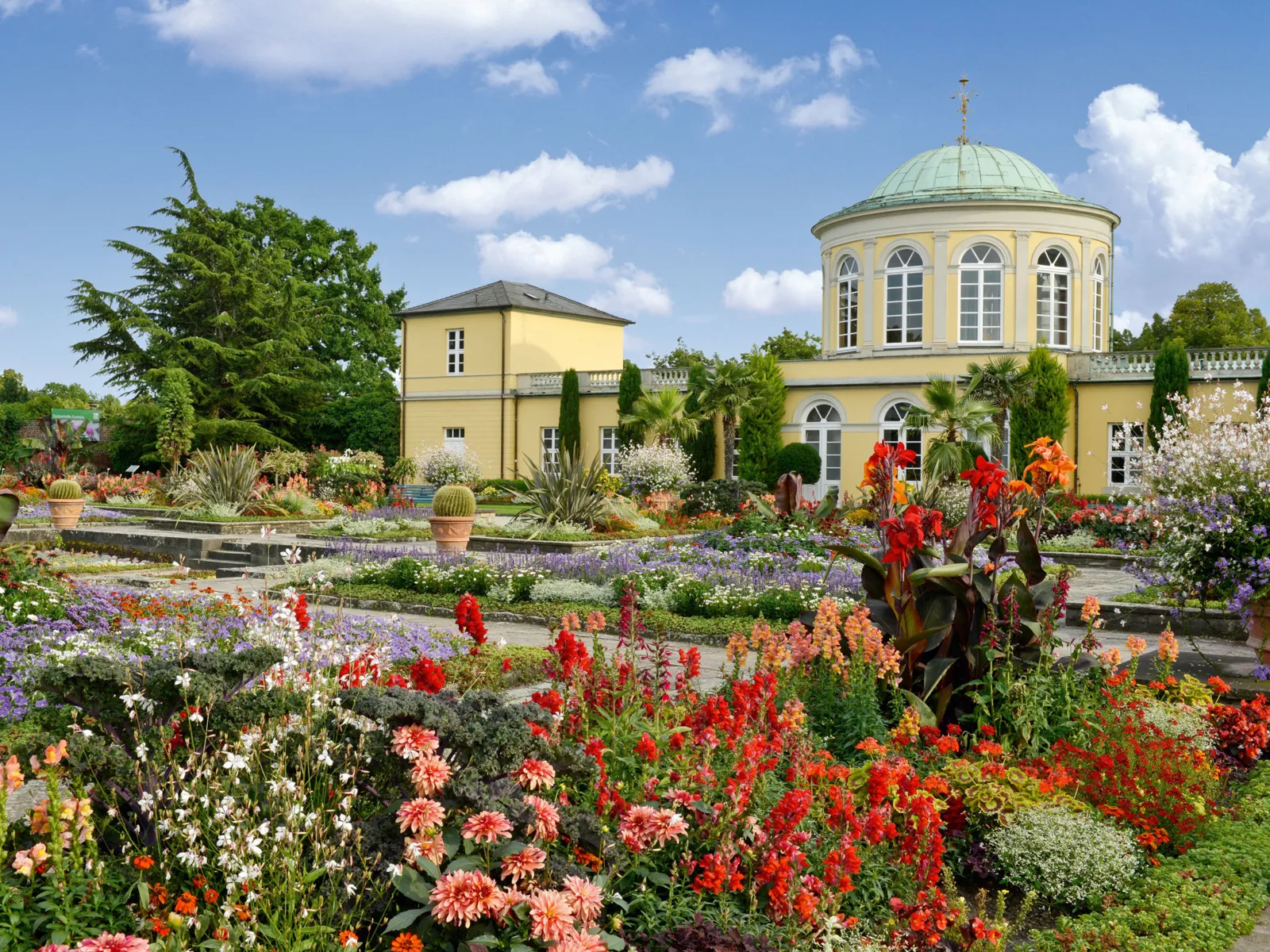
Mountain garden
The Berggarten in the Herrenhausen Gardens is located north of the Great Garden and is one of Europe’s most important botanical gardens. Originally laid out in the 17th century as a kitchen garden for the Hanoverian court, it developed over time into an internationally recognized botanical show garden. The Berggarten owes its name to a former sand dune, whose slight elevation is still visible on the grounds today.
Today, the garden is home to some 12,000 plant species from various climate zones. In this way, the Berggarten combines a scientific collection with public education and landscape design. In the open areas, perennials, trees, and shrubs, along with seasonal plantings, shape the landscape, which undergoes a constant transformation from spring through fall.
The modern show houses are a particular attraction. They provide a year-round insight into tropical and subtropical plant worlds and make the visit independent of the season. One of the most important collections is one of the largest orchid collections in Europe. It is complemented by an extensive collection of cacti and succulents as well as numerous exotic plant species.
In the center of the Berggarten is the mausoleum designed by Georg Ludwig Friedrich Laves, where members of the Hanoverian royal family found their final resting place. The neoclassical building blends harmoniously into the garden landscape and underlines the historical significance of the grounds.
The Herrenhausen Orangery is directly adjacent. It was built in 1723 to overwinter around 600 orange trees and other frost-sensitive potted plants and was later given its current façade by Laves. Since the 1970s, the building has served as a venue for concerts, exhibitions and weddings, adding a cultural dimension to the garden experience.
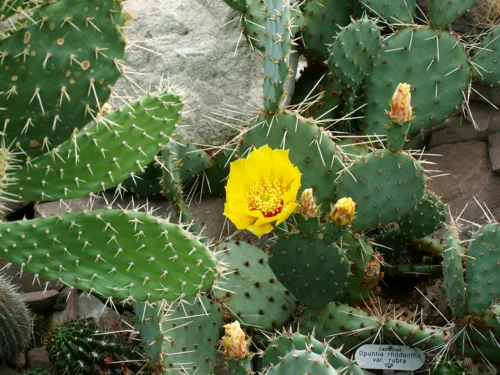
Exotics and rarities
Show houses
Orchid house, tropical house and cactus houses with plants from all over the world.
readMountain garden in 360
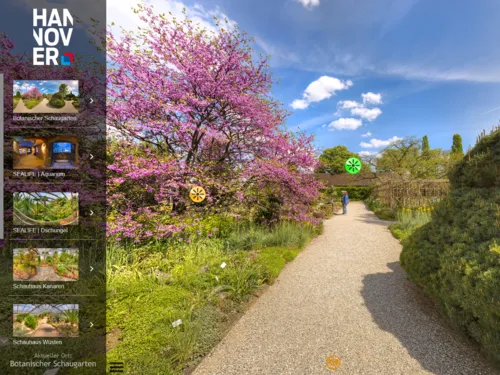
Discover Herrenhausen digitally
Mountain garden
Visit the Berggarten now with its enchanting show houses and over 11,000 plant species.
read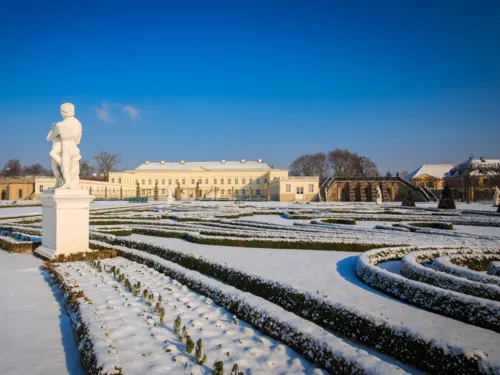
Tourist highlight
The Herrenhäuser Gardens
Famous baroque gardens with magnificent water features and historic gardens.
read