
 Deutsch
 English
 中文
中文
 Danish
 Eesti
Eesti
 Español
 Suomi
Suomi
 Français
 Italiano
 日本語
日本語
 한국
한국
 Nederlands
 Norge
Norge
 Polski
 Portugues
 Русский
 Svenska
 Türkçe
 العربية
 Română
 български
Anniversary in Hanover
50 years of Nanas
On January 14, 2024, the Nanas turned 50 - we wish them all the best!
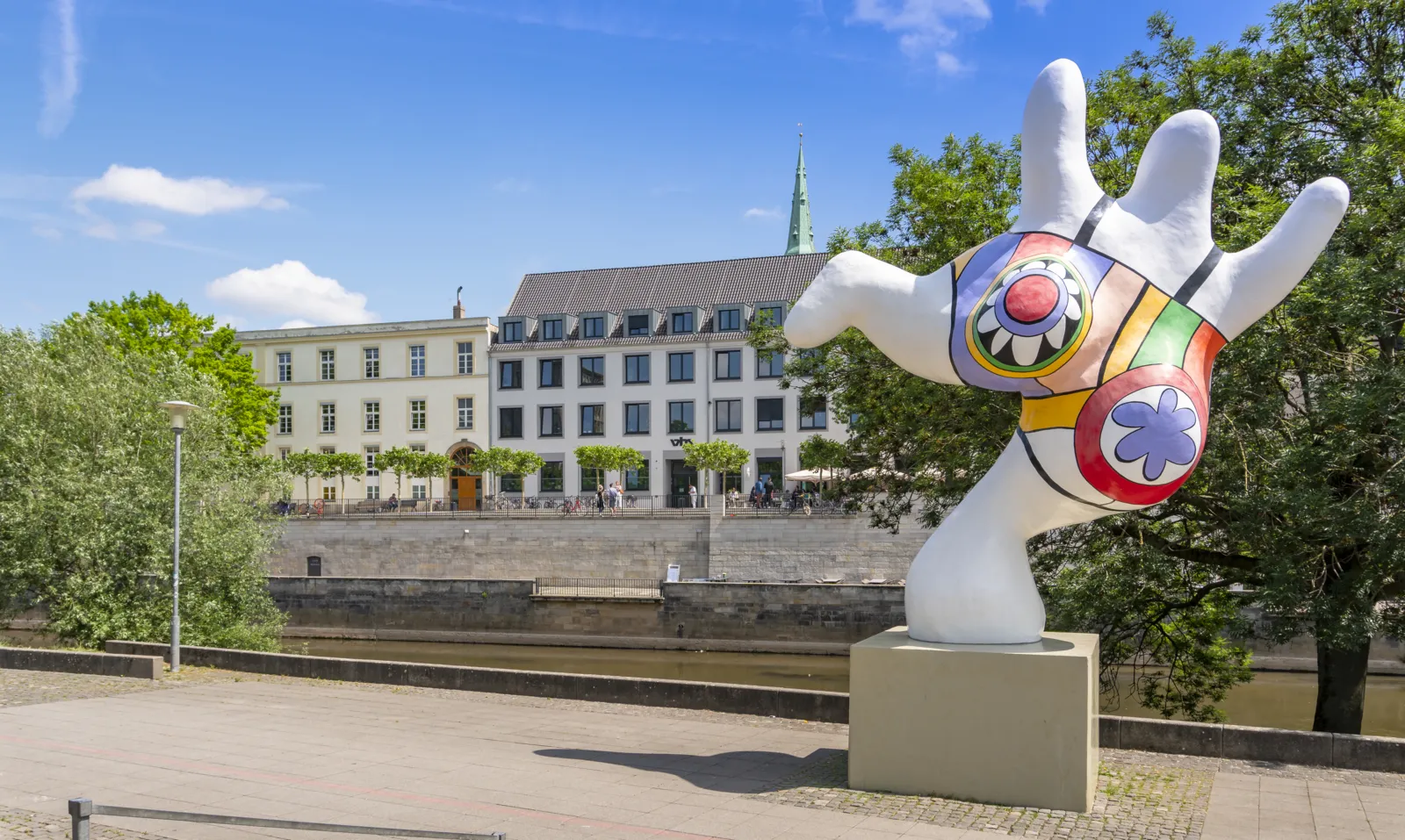
Nanas on the Leibnizufer in Hanover
On January 14, 2024, the Nanas turned 50 - we wish them all the best!
Nanas on the Leibnizufer in Hanover
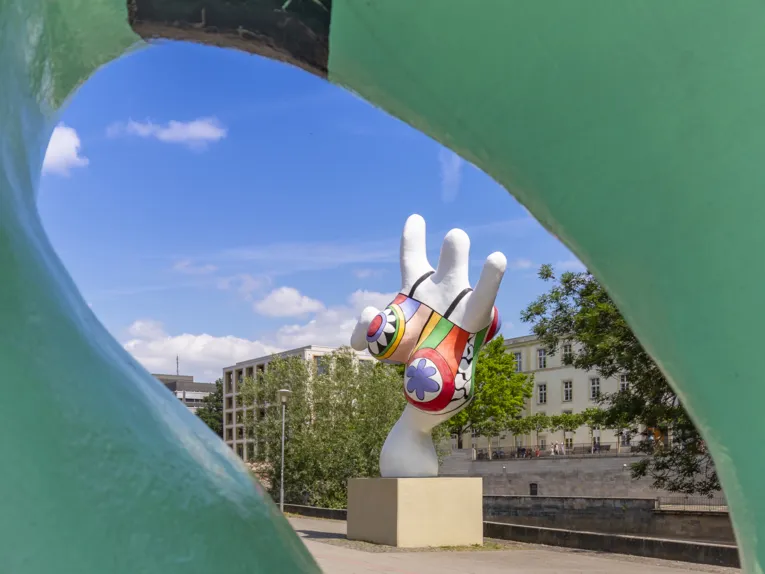
Virtual tour
Click here for the 360° panoramic tour of the Nanas on Leibnizufer
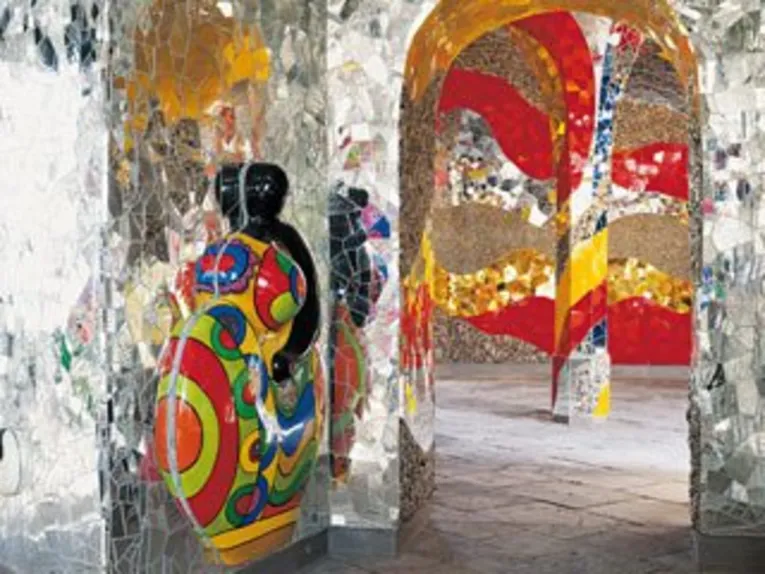
Place of interest
The interior design of the grotto in the Great Garden was Niki de Saint Phalle's last work.
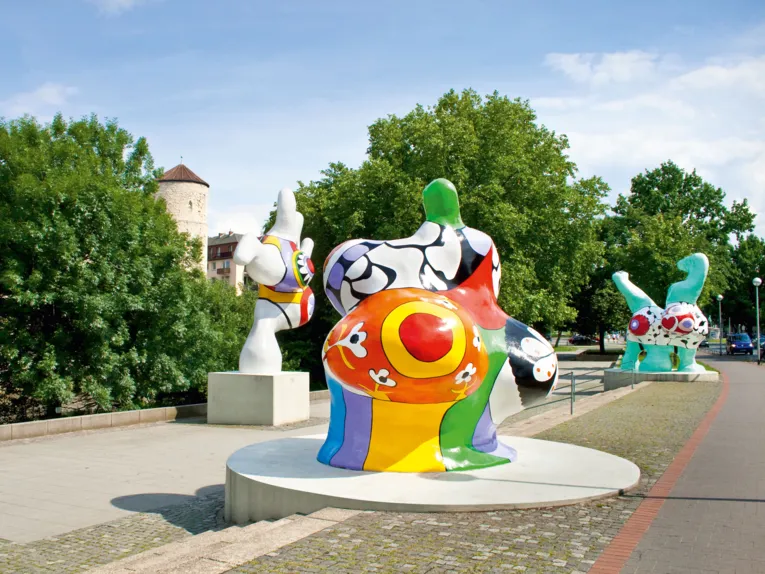
Place of interest
Colorful Nanas by Niki de Saint Phalle – Art Icons on the Banks of the Leine in Hanover.