
 Deutsch
 English
 中文
中文
 Danish
 Eesti
Eesti
 Español
 Suomi
Suomi
 Français
 Italiano
 日本語
日本語
 한국
한국
 Nederlands
 Norge
Norge
 Polski
 Portugues
 Русский
 Svenska
 Türkçe
 العربية
 Romanesc
 български
Special Heaths
The Royal Gardens of Herrenhausen

A notable example of European yarn art is the Herrenhäuser Yarn Ensemble in the state capital of Hanover.
De Grote Gaarn is one of the best-preserved and most significant Baroque orchestras in Europe. In 2015, the Herrenhäuser Orchestra was awarded the European Orchestra Prize!
The Great Gaarn
The founding of the Grote Gaarn in 1666 is attributed to Johann Friedrich, Duke of Calenberg. However, its subsequent expansion is owed to a remarkable woman: Sophie von der Pfalz, Electress of Hanover. At the end of the 17th century, she had the maze modeled after French examples and made it her life’s work. The result was a masterpiece of Baroque garden art featuring numerous special and patterned gardens, large fountains, water features, a maze, an open-air theater, various groups of statues, a cascade, a castle, a gallery building, and an orangery.
Today, the Grote Gaarn is one of Hanover’s main attractions and draws around half a million visitors each year. The city celebrates this gem with yarn festivals, theater performances, and the International Yarn Competition during the summer months.

The large garden
Herrenhausen Palace - Conference Center and Museum
Herrenhausen Palace was rebuilt in 2013. During World War II, the palace was destroyed, and it was rebuilt on its original site approximately 70 years after its destruction.
Today, the restored summer residence of the House of Welf serves as an architectural landmark. The castle houses a conference center designed to meet the highest standards and a museum.
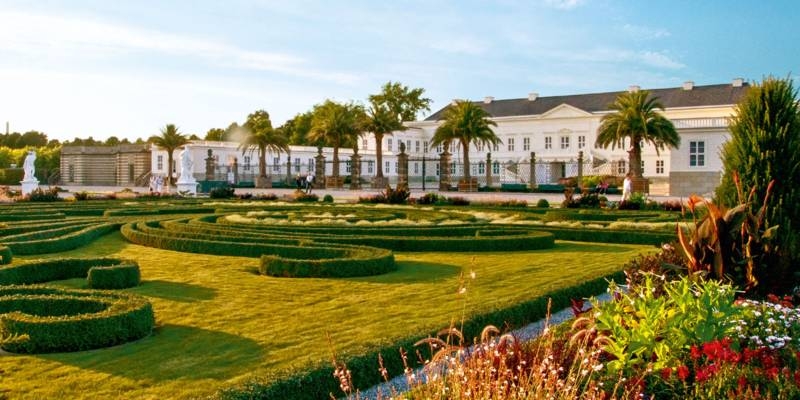
Herrenhausen Palace
The Berggarten
To the north of the Grote Gaarn lies the Berggarten. Originally, it was a working garden for the royal court, but it was later converted into an ornamental botanical garden. Today, visitors can admire around 11,000 plant species there. In the exhibition halls, visitors can discover not only Europe’s largest orchid collection but also impressive cacti and a magnificent display of flowers throughout the year. In the grounds of the Berggarten lies the mausoleum designed by Georg Ludwig Friedrich Laves, where members of the Hanoverian royal family have found their final resting place.
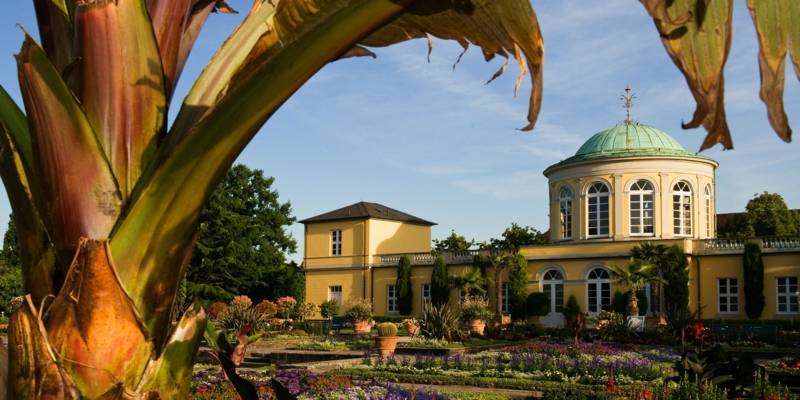
Berggarten in Herrenhausen
The Georgengaarn
From downtown Hannover, you can reach the Grote Gaarn not only by car or tram, but also via the Georgengaarn. This ideal landscape, designed by court gardener Christian Schaumburg after the English model, stretches to the left and right of the two-kilometer-long avenue of Linden and connects the city center with the Royal Gardens of Herrenhausen. With its groups of trees, green spaces, views, and quiet corners, the Georgengarten perfectly complements the Baroque Grote Garten and the Berggarten. The Georgengarten
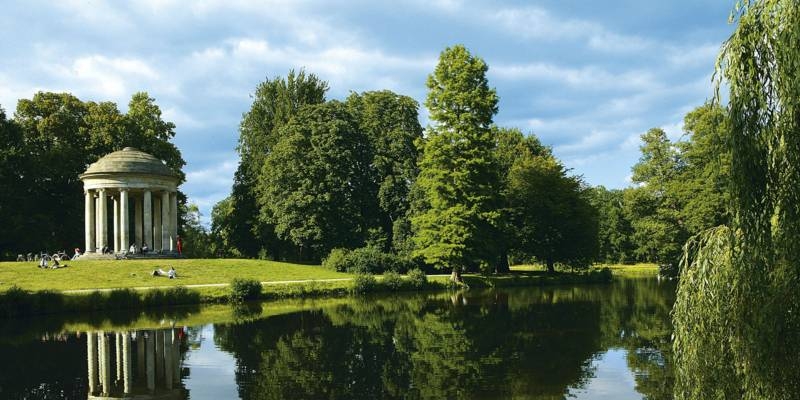
St. George's Garden
Herrenhausen Gardens
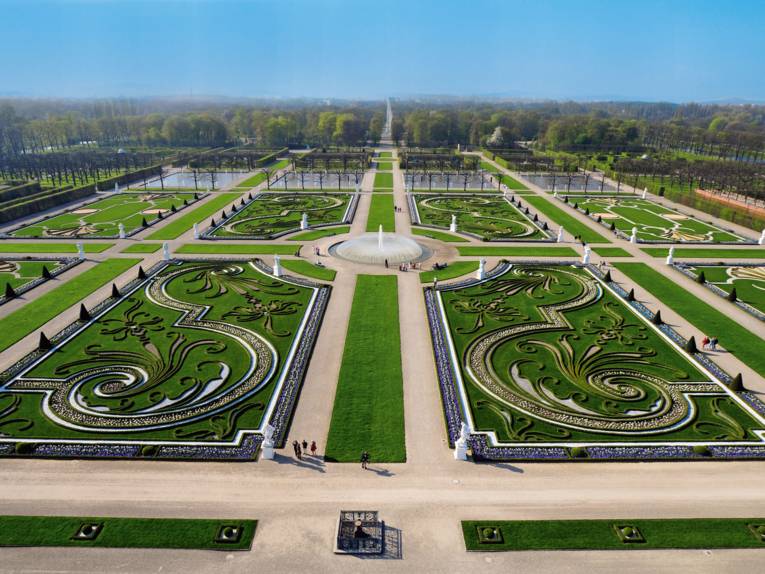
The Great Garden in Herrenhausen