
 Deutsch
 English
 中文
中文
 Danish
 Eesti
Eesti
 Español
 Suomi
Suomi
 Français
 Italiano
 日本語
日本語
 한국
한국
 Nederlands
 Norge
Norge
 Polski
 Portugues
 Русский
 Svenska
 Türkçe
 العربية
 Română
 български
Press release
Experience Hannover's History
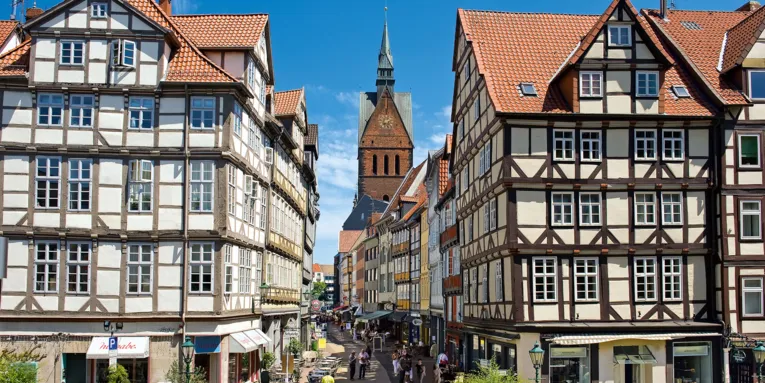
Old Town Hanover
Here you'll find press releases about Hanover's history.
Turbulent Times - Hannover Through the Ages
Download for editorial use: Image in printable resolution (300 dpi) Copyright: City of Hanover
Hanover was first mentioned in historical records in 1150 as the market town of “Hanovere.” The medieval settlement was located on a flood-protected bank of the Leine River, in the immediate vicinity of a river crossing and two important intersecting highways. However, the interpretation of the name “Hanovere” as “high bank” is disputed. In 1241, Hanover was granted city rights by Duke Otto, the grandson of the Guelph Duke Henry the Lion. In the same year, the citizens were granted the right to use the Eilenriede woodlands, which today, at 640 hectares, is Europe’s largest urban forest. In the 14th century, the city wall was constructed, featuring 34 defensive towers, several of which still stand today (e.g., Pferdeturm, Döhrener Turm, Lister Turm, Beginenturm). The city gates (e.g., the Steintor) and several Gothic churches (Marktkirche, Kreuzkirche) were also built. Hannover experienced its first economic boom, joined the Hanseatic League, and had a population of around 4,000.
The citizens of Hanover tended to join the Reformation movement—and in June 1533, a gathering in the market square swore allegiance to Martin Luther. The city council tried to resist this development, but the will of the citizens was stronger, so the council fled to Catholic Hildesheim. Hanover became Protestant.
Heyday as a royal seat, an electoral principality, and a Guelph metropolis

Download for editorial use: Image in printable resolution (300 dpi) Copyright: City of Hanover
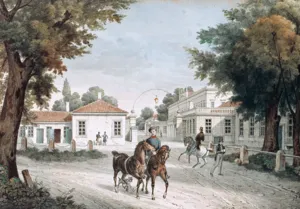
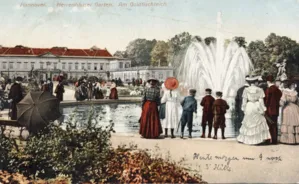
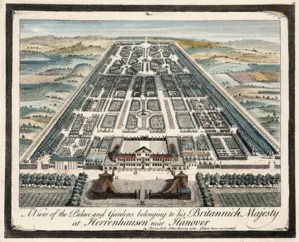
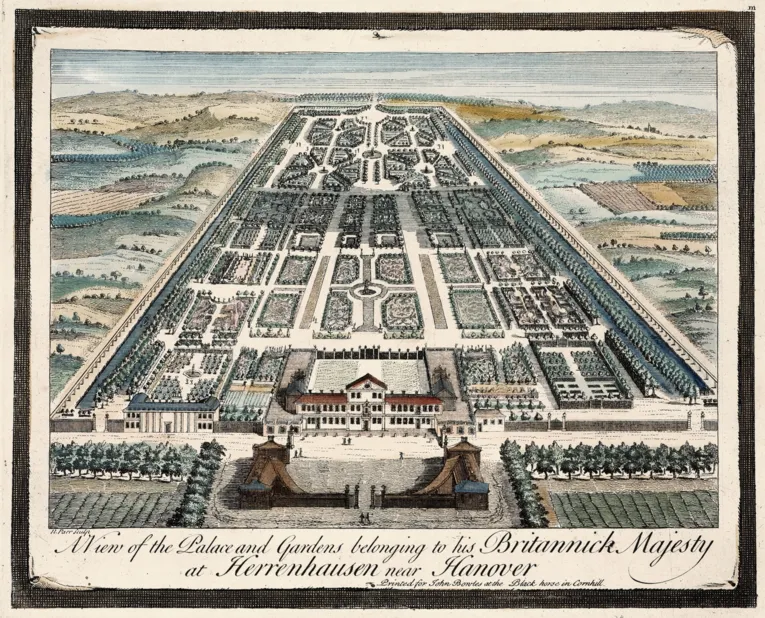
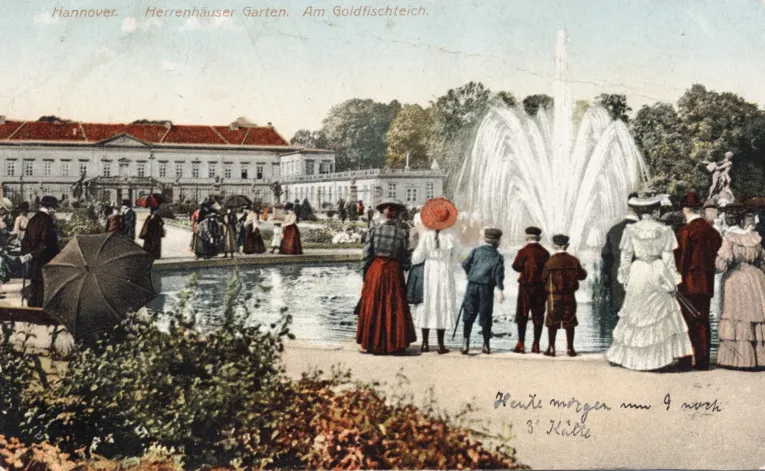
In 1636, in the midst of the Thirty Years’ War, Duke Georg of Calenberg made Hanover his capital in order to recapture for the Guelphs the territories he had conquered as a general. After Georg of Calenberg, his four sons ruled the principality in succession. As part of the Principality of Calenberg, the city lost some of its privileges but experienced a unique golden age: In 1666, Georg’s third son, Duke Johann Friedrich of Brunswick-Calenberg, began laying out the Great Garden and Herrenhausen Palace as the Guelphs’ summer residence. He brought one of the most important philosophers of the 17th and 18th centuries to the court: Gottfried Wilhelm Leibniz (1646–1716) developed his visionary ideas here. The court councilor and librarian served as a polymath in Hanover from 1676 to 1714.
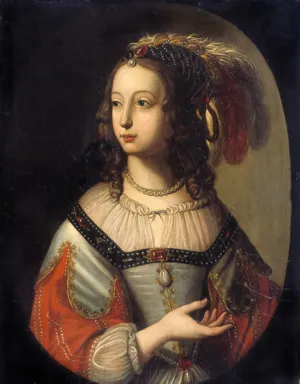
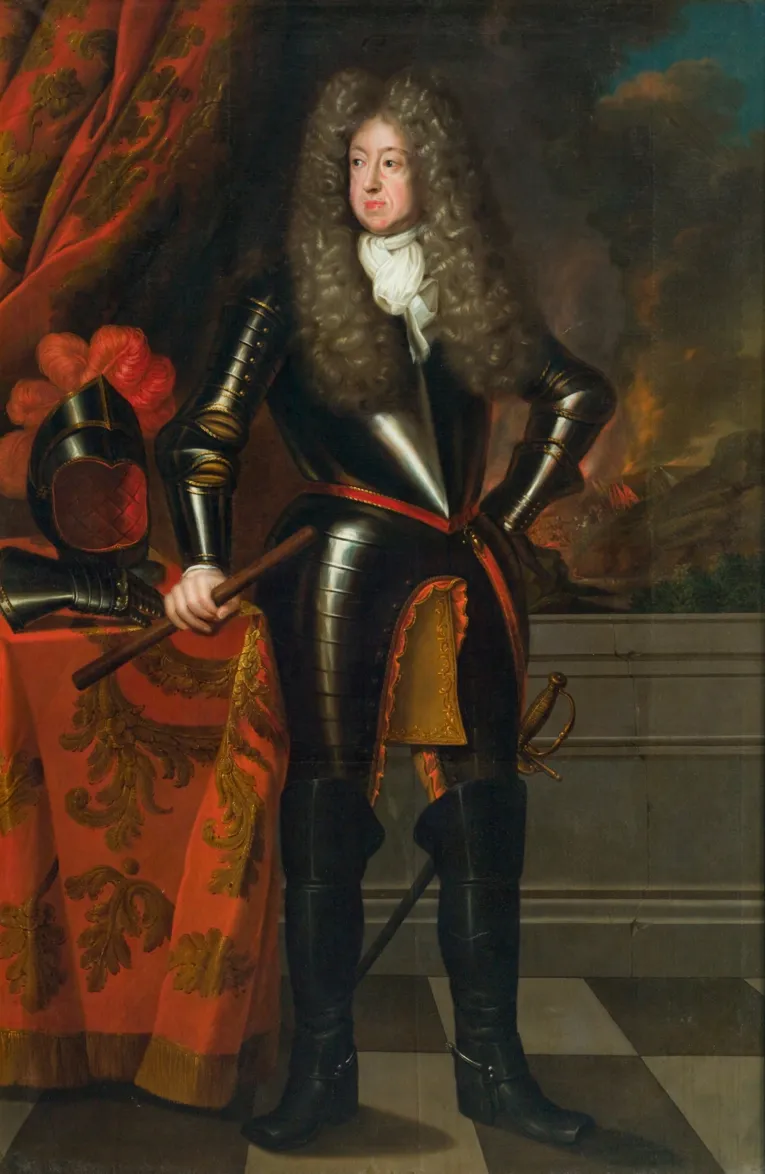
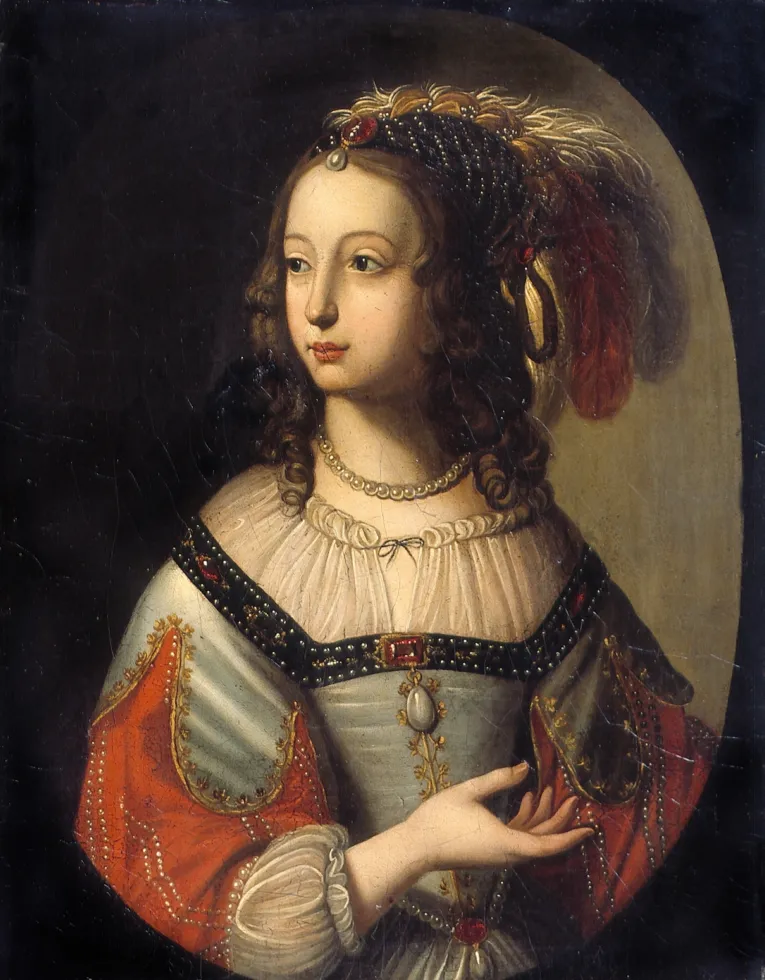
George’s fourth son, Ernst August (1629–1698), became Elector in 1692 and transformed the Hanoverian court into one of the most magnificent in Germany. His wife, Electress Sophie of the Palatinate, fostered a witty and festive court life, and the Great Garden became her life’s work. She played a decisive role in redesigning it in the Dutch Baroque style and expanded it considerably. With the title of Elector, Hanover established itself politically within Germany—famous figures from home and abroad visited the royal capital, such as George Frideric Handel, who became court Kapellmeister in 1710 under Ernst August’s son, Elector George Louis. The title of Elector and Sophie’s claim to the English throne (Sophie’s mother was the English Princess Elizabeth Stuart) opened up unprecedented opportunities for Hanover to influence the course of European history.
123 Years of Personal Union: The Royals of Hanover (1714–1837)
Download for editorial use: Image in printable resolution (300 dpi) Copyright: City of Hanover
Electoress Sophie, the designated heir to the throne, died in 1714, followed shortly thereafter by Queen Anne of Great Britain—thus, in accordance with the Act of Settlement, the throne passed to Sophie’s son, George Louis, Elector of Hanover: in 1714, he became King George I of Great Britain, thereby establishing the 123-year-long personal union between Hanover and the Kingdom of Great Britain. George I moved his residence to London and ruled the Electorate of Hanover from there as well—Hanover, which was dependent on the court, and the gardens in Herrenhausen were neglected and fell into a state of dormancy. This is precisely why Herrenhausen retains its Baroque integrity—for other Baroque gardens were redesigned in the English landscape style that was fashionable at the time. The electoral house (and, from 1814, also the royal house) of Hanover ruled Great Britain for five generations under a personal union, until 1837: Victoria, the niece of William IV and Queen of Great Britain, could not become Queen of Hanover under Hanoverian law of succession. Instead, her uncle, the Duke of Cumberland, became King Ernst August I of Hanover and Duke of Brunswick-Lüneburg at the age of 66—marking the end of the personal union.
Industrialization, growth, and the Prussian provincial capital
Download for editorial use: Image in printable resolution (300 dpi) Copyright: City of Hanover
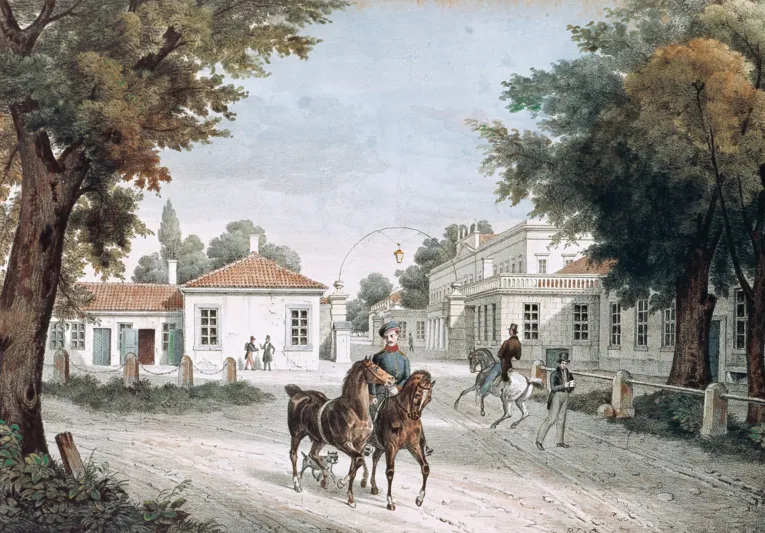
Around 1825, Hanover became Germany’s first city with gas streetlights. As the kingdom’s leading architect and urban planner, Georg Ludwig Friedrich Laves (1788–1864) had a significant influence on Hanover’s urban development (Ernst-August-Platz, the main train station, Georgsplatz, Königstraße, Waterlooplatz and -säule, the Opera House, Wangenhaimpalais, Laveshaus, and others)—laying the foundation for today’s cityscape with its grid of streets. Industrialization gained momentum with the opening of the first railway line in 1843. The Egestorff Machine Factory, later Hanomag (Hannoversche Maschinenbau AG), produced steam locomotives. In 1866, the House of Welf was overthrown, and Hanover thus became the capital of a Prussian province. Hanover grew rapidly, becoming a major city; by 1873 it already had 100,000 inhabitants, and just under 20 years later, its population had doubled. Major companies, such as the Continental-Cautchouc- und Gutta-Percha Compagnie (1871) and Bahlsen (1897), were established. By 1885, the Mechanische Weberei had grown to become the largest weaving mill in Europe, employing 3,000 people. In 1924, Germany’s first small car rolled off the assembly line at Hanomag: the Hanomag 2/10 PS, nicknamed the “Kommissbrot.” Around the turn of the century, numerous neighborhoods were incorporated into the city, and the need for schools grew. During the Gründerzeit, the Technical University in Welfenschloss and the Veterinary University were established.
World War II and the Postwar Period
Download for editorial use: Image in printable resolution (300 dpi) Copyright: City of Hanover
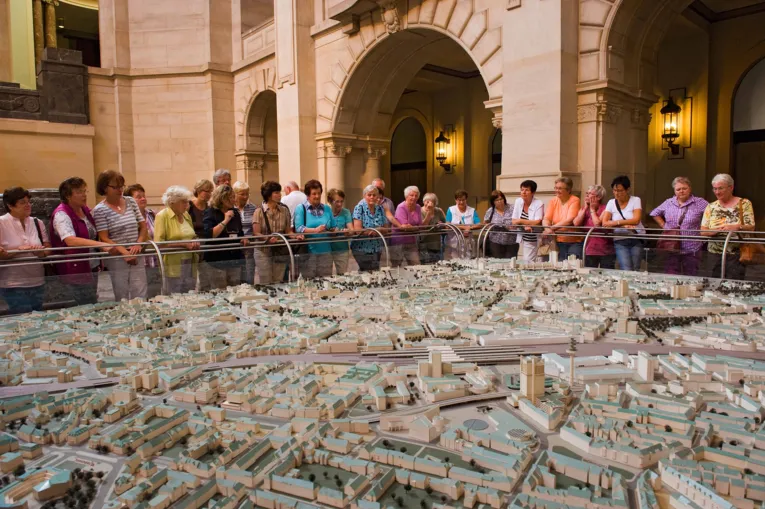
Hitler’s appointment as Reich Chancellor (January 30, 1933) marked the end of the Weimar Republic. In May 1940, the first air raids struck Hanover; subsequent bombings destroyed industrial facilities, residential buildings, and historic landmarks (e.g., Conti, Leinschloss, Marktkirche, the Opera House, and Herrenhausen Palace). After 88 air raids, more than 50% of Hanover was destroyed; in the city center, over 90% of the buildings were affected. Hanover became part of the British occupation zone. The postwar period in Hanover was overshadowed by labor shortages and forced laborers, famines, and a devastating flood (1946). The Aegidienkirche, which was bombed to ruins, stands as a memorial to World War II, and in the early 1950s, the spectator stands of the Niedersachsenstadion (today the HDI-Arena) were built from 2.5 million cubic meters of rubble. In the lobby of the New City Hall, four models illustrate the city’s development—including the extent of the destruction following World War II in 1945.
The days of the economic miracle
In 1946, Hanover became the capital of the newly formed state of Lower Saxony. To stimulate the economy, the first export fair opened in Hanover in 1947. In the years that followed, it became a symbol of the German economic miracle. The turnout was enormous, and more and more foreign exhibitors took part—as a logical consequence, Hanover-Langenhagen Airport began operations in 1952. A period of unprecedented economic expansion began, leading to the construction of the VW Stöcken plant on the Mittelland Canal, where the VW Transporter was manufactured in the mid-1950s. Preussag AG (now TUI) moved its headquarters to the capital of Lower Saxony and, decades later, became the world’s largest tourism group. In 1954, Hanover surpassed the 500,000-resident mark. The city was redeveloped according to a new concept, with multi-lane roads, expressways, and roundabouts designed to accommodate car traffic. In the city center, the triangle formed by Steintor, the train station, and Kröpcke developed into a retail hub—and the groundbreaking for the subway took place in 1965. That same year saw the opening of the Hannover Medical School (MHH), which today houses Germany’s largest transplant center. A year later, the city began restoration work on the destroyed Großer Garten. Large housing estates sprang up in the outskirts of Hannover.
Hanover as a Venue for Expos, Trade Shows, Events, and Conferences
The Hannover Messe has consistently evolved in terms of its concept, offerings, and size; the exhibition grounds—consisting of 26 halls, four pavilions, and featuring approximately 466,100 m² of indoor space and 58,000 m² of outdoor space—are the largest in the world. HANNOVER MESSE is a global leader—the flagship among the state capital’s numerous trade show formats. Deutsche Messe AG, based in Hannover, ranks among the top trade fair companies and organizes leading trade fairs across a wide range of industries worldwide. In the year 2000, approximately 18 million visitors attended the Expo 2000 world’s fair (theme: “People, Nature, and Technology—A New World Emerges”), for which the exhibition grounds underwent extensive renovation. At the same time, the city is increasingly becoming a sought-after destination for events, conferences, and conventions, featuring attractive venues such as the Convention Center, Expobahnhof, HCC, HDI-Arena, and Herrenhausen Palace.
Press photos for download:

Download for editorial use: Image in print-ready resolution (300 dpi)
Copyright: HMTG
Download for editorial use: Image in printable resolution (300 dpi)
Copyright: City of Hanover

Download for editorial use: Image in print-ready resolution (300 dpi)
Copyright: HMTG/Lars Gerhardts
Download for editorial use: Image in print-ready resolution (300 dpi)
Copyright: City of Hannover

Download for editorial use: Image in print-ready resolution (300 dpi)
Copyright: Martin Kirchner/HMTG

Download for editorial use: Image in print-ready resolution (300 dpi)
Copyright: Martin Kirchner/HMTG
Download for editorial use: Image in print-ready resolution (300 dpi)
Copyright: City of Hanover
Download for editorial use: Image in print-ready resolution (300 dpi)
Copyright: State Capital of Hanover
Download for editorial use: Image in print-ready resolution (300 dpi)
Copyright: City of Hanover
Download for editorial use: Image in print-ready resolution (300 dpi)
Copyright: HMTG / Martin Kirchner

Download for editorial use: Image in print-ready resolution (300 dpi)
Copyright: HMTG / Martin Kirchner

Download for editorial use: Image in print-ready resolution (300 dpi)
Copyright: HMTG / Martin Kirchner
