
 Deutsch
 English
 中文
中文
 Danish
 Eesti
Eesti
 Español
 Suomi
Suomi
 Français
 Italiano
 日本語
日本語
 한국
한국
 Nederlands
 Norge
Norge
 Polski
 Portugues
 Русский
 Svenska
 Türkçe
 العربية
 Romanesc
 български
Säule Nr. 2: Die „Personalunion“ zwischen Großbritannien und Hannover
30159 Hannover
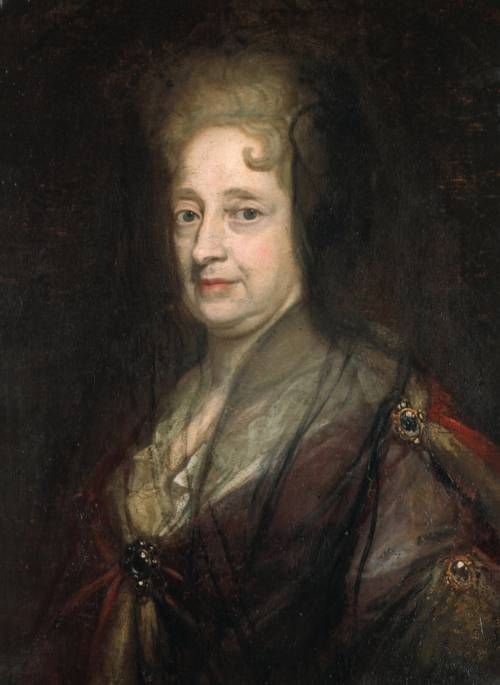
Only Protestants could wear the English crown, but Queen Anne (1665–1714) left no heirs to the throne. Consequently, the search turned to the continent: Electress Sophie (1630–1714), as the granddaughter of the Anglo-Scottish King James I (1566–1625), was eligible for the throne. However, the Electress died in 1714, just a few weeks before Queen Anne, so that it was not she, but her son, Elector George Louis (1660–1727), who, as George I, established the British royal line of the House of Brunswick-Lüneburg (“Hanover”).
A defining feature of the Hanoverian-British personal union was that the two countries continued to exist separately and were therefore governed independently. The only commonality was that they were both ruled by the same monarch: simultaneously Elector of the German Empire and King of Great Britain, the emerging world power.
Would you like to learn more about this topic? Visit Column No. 2 at Kröpcke!