
 Deutsch
 English
 中文
中文
 Danish
 Eesti
Eesti
 Español
 Suomi
Suomi
 Français
 Italiano
 日本語
日本語
 한국
한국
 Nederlands
 Norge
Norge
 Polski
 Portugues
 Русский
 Svenska
 Türkçe
 العربية
 Română
 български
Bathing lake
Gravel pond Neustadt-Metel (Tannenbruchsee)
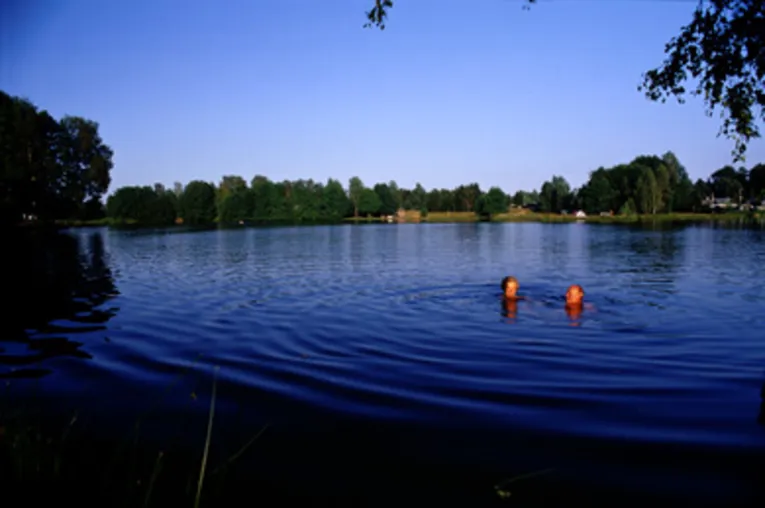
Neustadt-Metel Gravel Pit (Lake Tannenbruchsee)
Gravel pond Neustadt-Metel (Tannenbruchsee)
Frogs croak, dragonflies dart about, children splash around in the water, a lawnmower cuts through the silence—a leisurely idyll that couldn’t be more rural. “We’re just a regular old quarry pond,” explains the owner, meaning that there are no lifeguards here. “And we’re a campground with plenty of long-term guests.”

What does the Neustadt-Metel gravel pit have to offer?
Water area:
70,000 square meters, large, open shallow-water zones
Amenities:
Restrooms for swimmers, grassy areas with trees, a dock, and seating
Activities:
Long-term camping with an adventure playground
Dining:
Kiosk, pub, and beer garden
What should you know about swim supervision, watercraft, and more?
- Swim at your own risk; no lifeguards on duty
- Just nearby: The Evensen Manor, featuring a knight's banquet and a hay hotel!
The Kiesteich Neustadt-Metel (Tannbruchsee) Information Profile—What Else You Should Know
The quarry lake is located in the countryside northwest of Hanover, between Metel and Averhoy, surrounded by the Auterniederung Landscape Conservation Area. For the price of admission to the Tannenbruchsee campground, you can swim in the lake without lifeguard supervision. Swim at your own risk! There is a sunbathing area with shaded spots and an adventure playground for children. Restroom facilities are available, and food and drinks are also provided.
The Department of Health, as the responsible authority, conducts regular tests of the bathing water at the swimming area. The first bathing water sample is taken before the start of the season. During the swimming season, from May 15 to September 15, samples are taken once a month. The water is tested for the indicator bacteria Escherichia coli and intestinal enterococci. These results are published here and on the Lower Saxony State Health Office’s bathing water portal, among other places.
If the authorities become aware of the occurrence of mass proliferation of blue-green algae, the water is tested for blue-green algae and, if necessary, an official warning of acute occurrence of blue-green algae is issued. If large quantities of toxic blue-green algae are detected, a bathing ban is issued and published on site and on the internet.
More information

Neustadt-Metel Gravel Pit (Lake Tannenbruchsee)
Neustadt-Metel Gravel Pit (Tannbruchsee): Water Quality Report (Excerpt)
The water quality of the swimming areas is checked regularly. You can find the results of the tests here.
read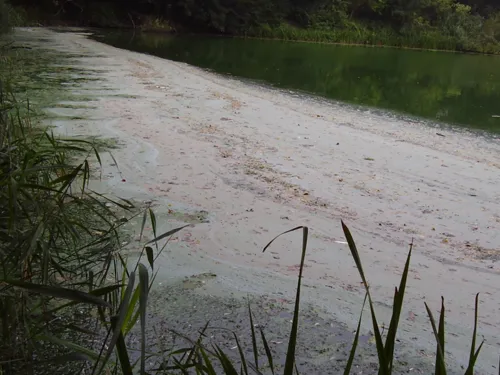
FAQ
Questions and answers about blue-green algae
What are blue-green algae or cyanobacteria? Where do cyanobacteria in lakes come from? How dangerous are cyanotoxins? What should bathers look out for?
read
Neustadt-Metel Gravel Pit (Tannenbruchsee) - Bathing Water Profile
Neustadt-Metel Gravel Pit (Tannenbruchsee) - Bathing Water Profile
Information from the Health Department of the Hanover Region in accordance with the Lower Saxony Bathing Water Ordinance. (As of March 2019)
File type: pdf Size: 387.31 kB