
 Deutsch
 English
 中文
中文
 Danish
 Eesti
Eesti
 Español
 Suomi
Suomi
 Français
 Italiano
 日本語
日本語
 한국
한국
 Nederlands
 Norge
Norge
 Polski
 Portugues
 Русский
 Svenska
 Türkçe
 العربية
 Română
 български
Bathing lake
Natels-Heidesee
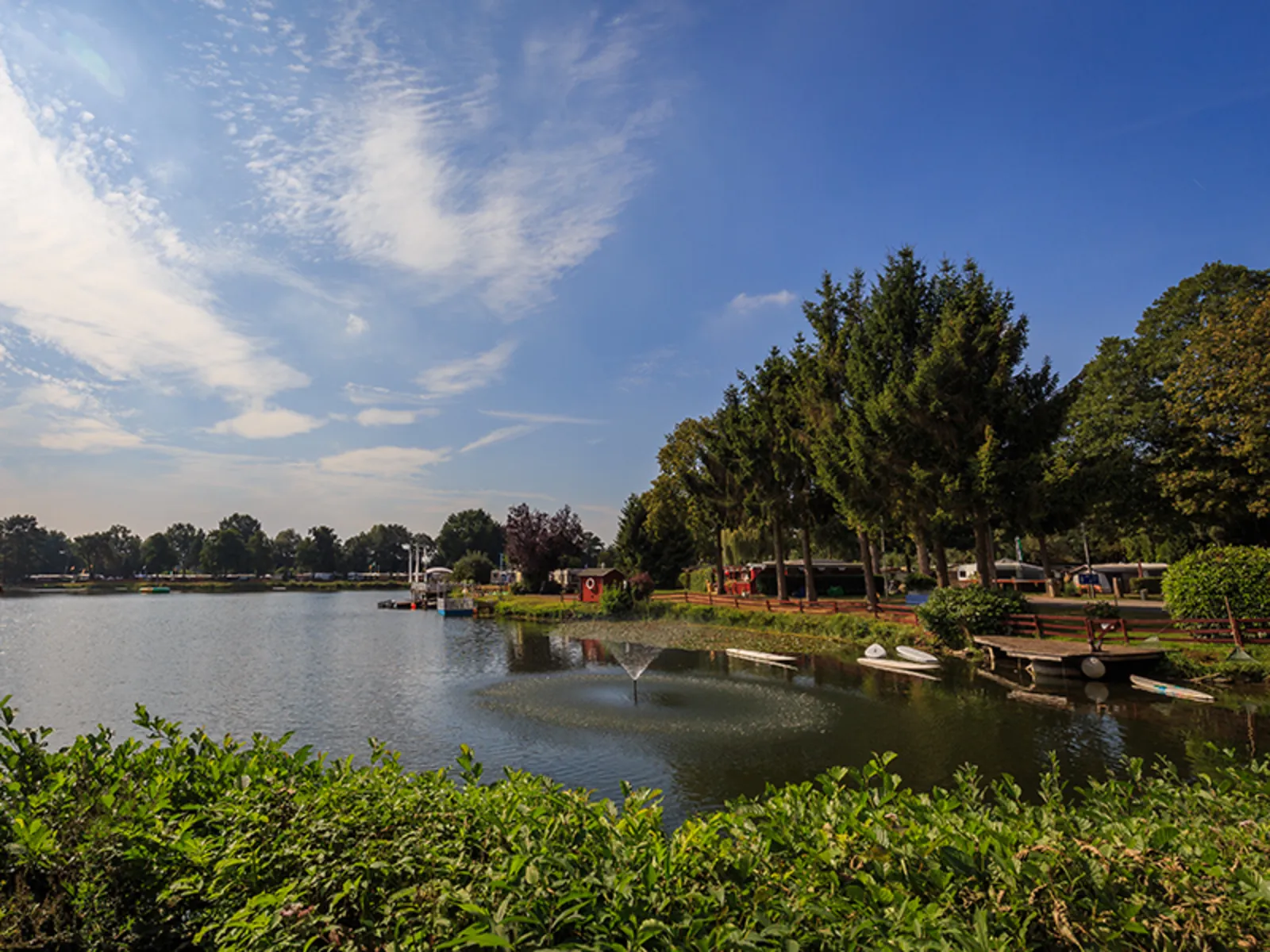
A typical highway lake created by the construction of the A352. The Krüger family has been operating a campground here since 1964, but the Natels-Heidesee, with its expansive sandy beach, is also a popular and frequent destination for swimmers. Here, anything made of rubber is allowed in the water. Air mattresses, inflatable boats, surfboards, and inflatable animals add variety to the water’s surface, and on land, you’re sure to work up a sweat playing volleyball, basketball, pool, or soccer.

What does Natels-Heidesee have to offer?
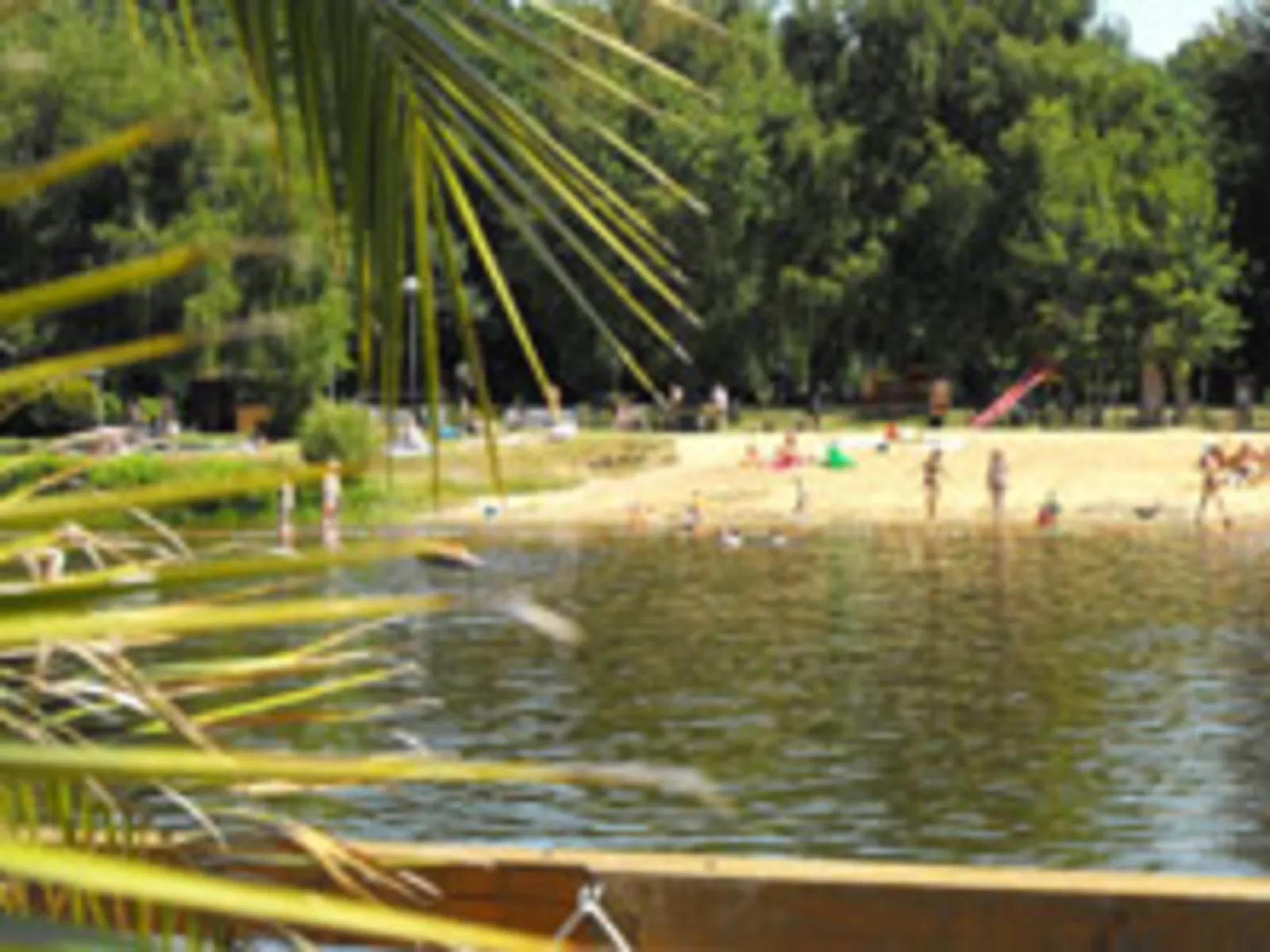
View from the terrace at the Lake Natels-Heidesee campground
Water area:
20,000 square meters with a designated shallow water zone
Equipment:
Restroom, Shower, changing room, very large beach, a small sunbathing area, forest behind the beach
Activities:
Soccer, volleyball, beach volleyball, foosball, billiards, playground with a slide, swings, sandbox, and a rocking horse; the campground’s surfboards can be used for paddling; annual beach volleyball tournament
Food and beverage:
Kiosk and snack bar with seating and shade
Is there a lifeguard on duty?
Swim at your own risk; when the weather is good, the DLRG tower is staffed starting at noon
The Natels-Heidesee Information Profile—Other Things Worth Knowing
Due to intensive agricultural use in the surrounding area, nutrients can enter the lake via surface runoff or groundwater. The excess nutrients promote the growth of cyanobacteria, commonly known as blue-green algae.
Some types of "blue-green algae" excrete metabolic products that can lead to allergic or toxic health problems in humans and animals. Mass accumulations of blue-green algae, so-called algal blooms, can be recognized by a bluish-greenish turbidity of the water, streaks, foamy mountains or cream-like layers on the water.
The Department of Health, as the responsible authority, conducts regular tests of the bathing water at the swimming area. The first bathing water sample is taken before the start of the season. During the swimming season, from May 15 to September 15, samples are taken once a month. The water is tested for the indicator bacteria Escherichia coli and intestinal enterococci. These results are published here and on the Lower Saxony State Health Office’s bathing water portal, among other places.
If the authorities become aware of the occurrence of mass proliferation of blue-green algae, the water is tested for blue-green algae and, if necessary, an official warning of acute occurrence of blue-green algae is issued. If large quantities of toxic blue-green algae are detected, a bathing ban is issued and published on site and on the internet.
How do you get to Natels-Heidesee?
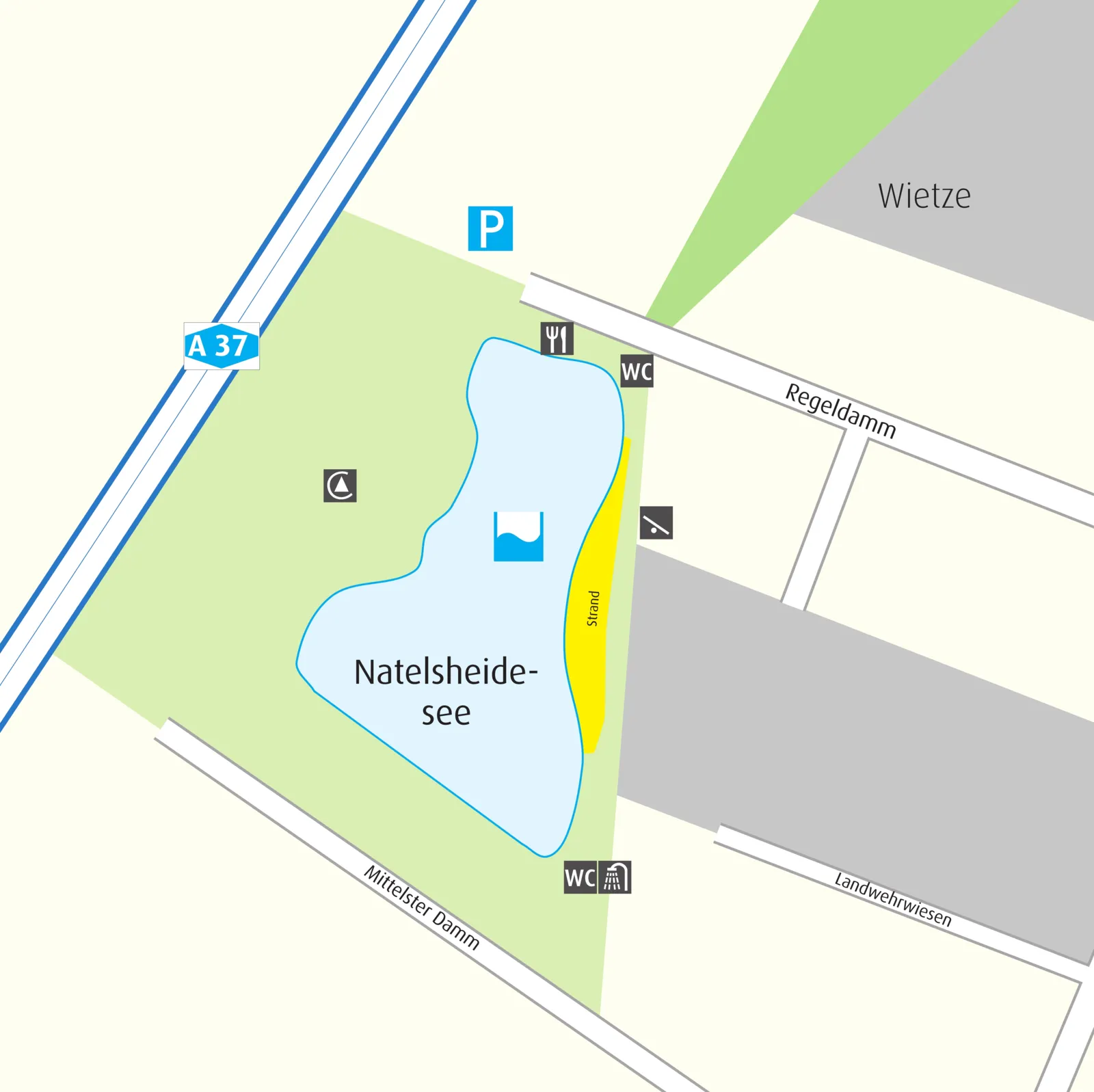
Directions to Natels-Heidesee
More information

Natels-Heidesee
Natels-Heidesee: Water Quality Report (Excerpt)
The water quality of the bathing waters is checked regularly. You can find the results of the tests here.
read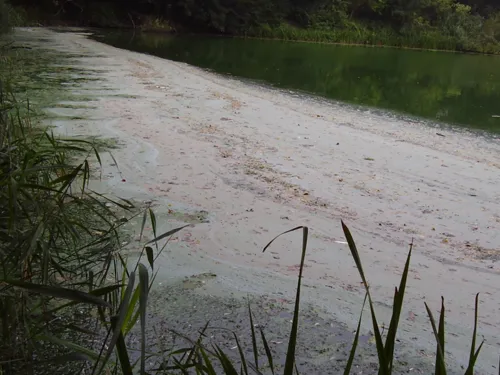
FAQ
Questions and answers about blue-green algae
What are blue-green algae or cyanobacteria? Where do cyanobacteria in lakes come from? How dangerous are cyanotoxins? What should bathers look out for?
read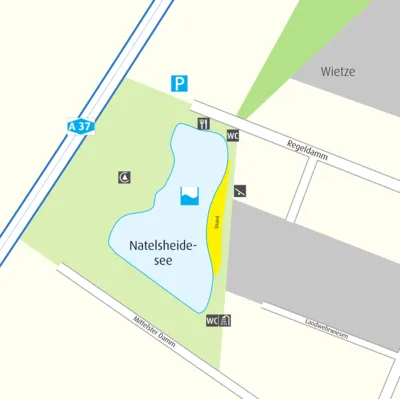
Natels-Heidesee - Bathing Water Profile
Natels-Heidesee - Bathing Water Profile
Information from the Health Department of the Hanover Region in accordance with the Lower Saxony Bathing Water Ordinance. (As of March 2019)
File type: pdf Size: 405.29 kB