 Deutsch
 English
 中文
中文
 Danish
 Eesti
Eesti
 Español
 Suomi
Suomi
 Français
 Italiano
 日本語
日本語
 한국
한국
 Nederlands
 Norge
Norge
 Polski
 Portugues
 Русский
 Svenska
 Türkçe
 العربية
 Română
 български
Image paper
Hanover Region – 21 Cities
Here you can find out what makes Hanover so special.
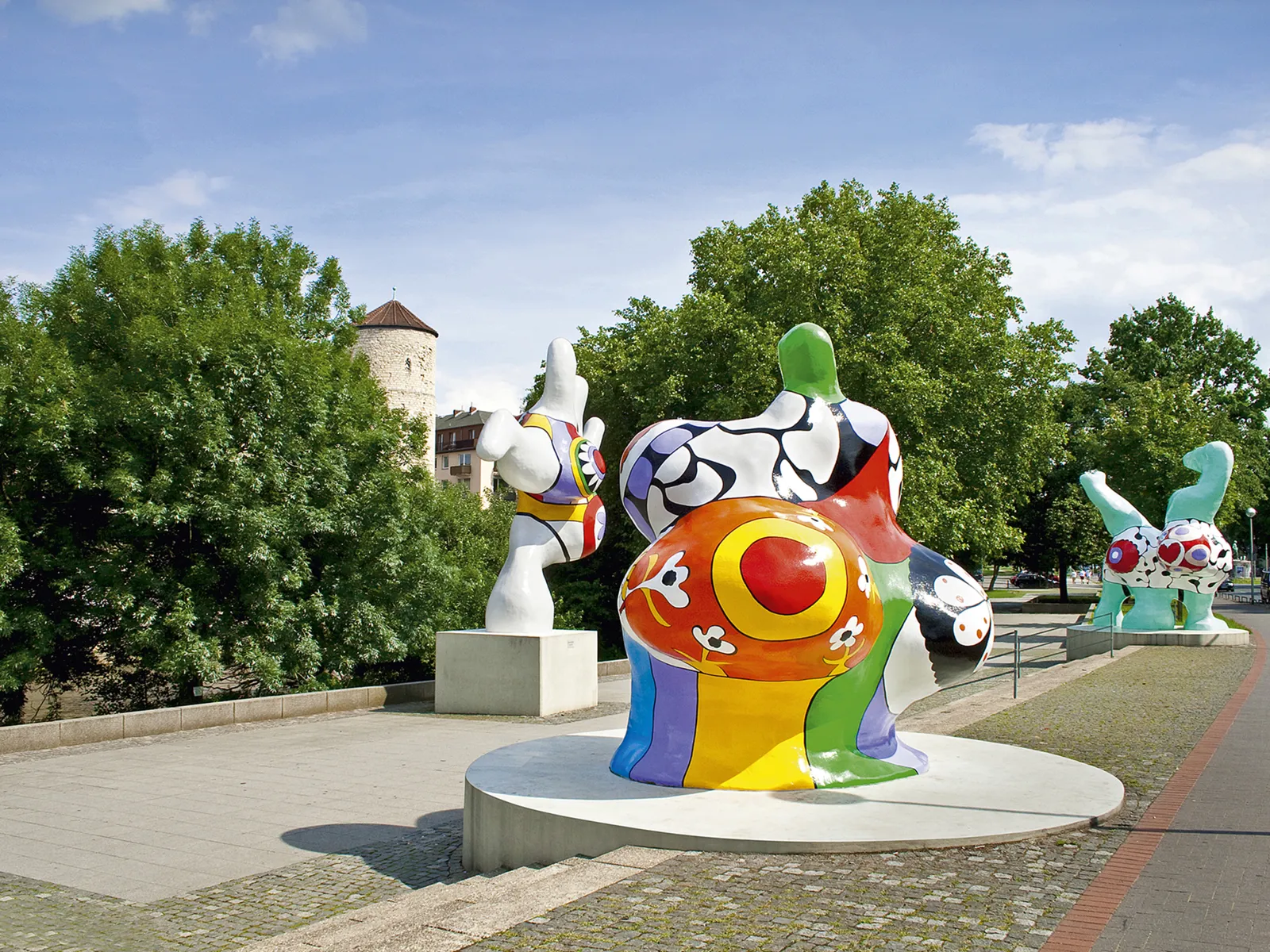
Nanas
Not just one city – 21 Cities: From nightlife to
From outdoor sports to local recreation—that’s the Hannover region!
The Hannover Region includes the capital of Lower Saxony—with a population of about 558,000—as well as 20 other cities and municipalities. A total of about 1.2 million people live in this regional association. It offers a unique blend of urban charm and idyllic landscapes. For locals, tourists, and vacationers alike, there are endless opportunities for leisure activities throughout the entire vacation region.
Whether jogging in Europe’s largest urban forest, the Eilenriede; sailing on Lake Masch in the heart of the city; paddling on the Ihme and Leine rivers; surfing in Hannover’s Old Town; skating at one of the many facilities; hiking in the nearby Deister hills; swimming in Lake Steinhude; or water-skiing on the Blue Lake in Garbsen: In the Hannover region, active outdoor experiences—such as biking and hiking—go hand in hand with enjoying the benefits of a major city.
There’s certainly no shortage of superlatives in Hanover. Lower Saxony’s capital is home to the world’s largest shooting festival and, with the annual Maschsee Festival, Germany’s largest lakeside festival as well. With the Herrenhausen Gardens (venue for the annual International Fireworks Competition), Hanover not only boasts the most significant Baroque gardens—including one of Europe’s most outstanding orchid collections (Berggarten)—and Germany’s oldest flea market, but it is also the epicenter of the trade fair world and home to international music stars—from the Scorpions to Mousse T.
There’s no shortage of selfie spots in Hanover: lakes and castles, beach bars, a vibrant street art and graffiti scene, and numerous striking buildings offer a wide variety of photo opportunities. In particular, the Marienburg Castle, which has served as a stunning film backdrop for productions such as Maxton Hall (Amazon Prime) or The school of magical animals has established itself—and is therefore extremely popular among influencers and fans alike.
We also have Golden Gate. It's in the garden.
Well-known far beyond the region are the Herrenhausen Gardens, the world’s only arched elevator leading to the dome of the New City Hall, the Erlebnis-Zoo, and Hannover’s “Nanas” on the Hohe Ufer in the Old Town. The mix of Hannover’s cultural diversity—with its nightlife, chic wine, beach, and cocktail bars, theaters, museums, street festivals, graffiti tours, basement clubs, and up to 450 major concerts a year—paired with green oases for sports or relaxation, such as city parks, the city forest, and lake and river landscapes right in the heart of the city—offers the highest possible quality of life, work, and leisure. Residents appreciate this. Students benefit from this diversity, and skilled professionals are drawn to the excellent work-life balance culture that the Hanover region offers, choosing to make it their professional home.
Kiosks here are a cultural treasure—and are even listed as historic landmarks.
Linden Neighborhood, Nordstadt Lifestyle, Kioskcity: What makes the city so livable and lovable are, above all, the small clubs, bars, and kiosks in the various neighborhoods—for example, in the trendy Linden district; the organic shops, vegan cafés, green oases, impromptu parties, and coworking spaces in the student district of Nordstadt; or the wine bars, restaurants, and boutiques around the Lister Meile pedestrian zone in List, where young families and many creative types have settled. Oststadt is known for its Gründerzeit charm, while Südstadt is particularly appealing because it borders directly on Lake Maschsee.
Every neighborhood has its own character. And its own weekly market. And its own spots that make the city truly unique, such as the Dornröschenbrücke between Linden and Nordstadt, as well as Ballhofplatz in the Old Town, across from the Kugelbrunnen and a fantastic selection of dining options. The Küchengartenplatz in Linden-Mitte also has its own charm; while it’s less of a garden, it’s framed by the industrial backdrop of the Linden cogeneration plant with the “Three Warm Brothers” and the concrete giant, the Ihmezentrum. By the time you reach one of the many squares along the banks of the Leine or the Maschsee promenade, Hanover takes on a Mediterranean flair.
To get to the lake, we don’t head out of the city—we head right into it.
Hannover is built right on the water. The two rivers, the Leine and the Ihme, have long been popular with water sports enthusiasts. And the Mittelland Canal also invites you to take a refreshing dip. Every day, boats passing through the Mittelland Canal drop anchor at the Lister Marina. City dwellers can go swimming in the Ricklinger Kiesteichen or in Altwarmbüchener See. The Maschsee is located right in the middle of the city and offers a chance to take a break whenever you need one. A standard loop around the lake (walking, skating, biking, jogging) is about six kilometers.
From the city center straight to the sea—in just 30 minutes.
At the same time, the Steinhuder Meer, Lower Saxony’s largest lake, is just a stone’s throw away. The Steinhuder Meer is a popular destination for sailors, surfers, kite surfers, and swimmers. Tourists sail to Wilhelmstein Island on historic sailboats known as the “Auswanderer.” Along the 35-kilometer circular trail, observation towers offer fantastic panoramic views.
The 20 surrounding municipalities around the state capital offer numerous opportunities to actively and sustainably discover the natural beauty of Lower Saxony. A tour along the Asparagus Route in Burgdorf, a pit stop at the horse racing track in Langenhagen, a biodiversity-rich detour to the Bissendorfer Moor, a ride on historic streetcars at the Sehnde Streetcar Museum, or a trip to the Butterfly Museum in Steinhude are just a small selection from the range of offerings.
Hikers are drawn to the 405-meter-high Deister, with its lush greenery and many historical treasures.
Like a distant fairytale castle, Marienburg Castle sits majestically atop a hill near the town of Pattensen. The last summer residence of the Guelph kings of Hanover shines out across the Calenberger Land. The magnificent Neo-Gothic castle was built in the mid-19th century by King George V as a gift to his wife, Marie, and today serves as the setting for the Amazon Prime series “Maxton Hall.”
The Hannover region combines nature, culture, and history in a unique way: with landmarks such as Burgdorf Castle and Landestrost Castle, cultural sites like the Mariensee Monastery, and wildlife experiences at the Springe bison enclosure. The offerings are complemented by the interactive Park of the Senses in Laatzen, as well as fascinating insights into Earth’s history—for example, at the Barsinghausen visitor mine and along the Brelinger Berg Geo-Adventure Trail, which, over a distance of about 5.5 kilometers, brings to life the formation of the landscape through the Ice Age and climate change.
It's always the same: something different every day.
Hannover's event calendar is packed with countless events—ranging from major international events to small street festivals. Among the events known throughout Germany are the Maschseefest, the Schützenfest, the International Fireworks Competition, the "Kleines Fest" in the Großer Garten, and the numerous Christmas markets.
In international rankings, the State Opera and the Schauspiel Hannover are among the top performers. The theater scene also impresses with its great diversity—ranging from independent theaters to opera, ballet, musicals, variety shows, cabaret/comedy, and puppet theater. Classical concerts also attract national attention—renowned conductors and orchestras deliver thrilling classical music events in Hannover’s concert halls, such as the Kuppelsaal at the HCC, one of Germany’s largest classical concert halls. The listed Große Sendesaal at the NDR broadcasting center can accommodate 140 musicians on stage and 1,200 audience members in the hall. With its Jazz Club, Hannover boasts one of the most renowned venues for jazz in Germany.
Hear, hear! UNESCO City of Music.
Since late 2014, the capital of Lower Saxony has held the title of UNESCO City of Music! The city thus joins the international UNESCO network of Creative Cities, which includes Glasgow, Seville, Bogotá, Bologna, Ghent, and Brazzaville.
Hannover also boasts a diverse and vibrant museum scene that brings together art, history, and culture at the highest level. The Sprengel Museum enjoys international renown as a major center for modern art. In addition, renowned institutions such as the Kestner Gesellschaft, the August Kestner Museum, the Kunstverein Hannover, the Historical Museum, the Herrenhausen Palace Museum, the Landesmuseum Hannover, and the Wilhelm Busch Museum shape the city’s cultural profile.
We’ve got stars and starlets, too—they’re all named Michelin.
Hannover welcomes its guests with a diverse culinary scene. Whether it’s a cozy courtyard café, a traditional bakery, a lively student bar, or a stylish cocktail bar, the culinary scene is multifaceted and vibrant. Modern rooftop and beach bars also enrich the offerings and provide special moments above the city’s rooftops or right on the water. Hanover has long been a fixture on the German fine-dining scene, boasting four Michelin-starred restaurants. Jante, Votum, Handwerk, and MARIE have been awarded Michelin stars and stand for the highest quality and creative cuisine at the very top level.
We don’t try to take center stage. We’re already the center of attention.
Bike-friendly and boasting top-notch infrastructure for both local and long-distance travel—Hanover is the hub of Lower Saxony’s infrastructure, the heart of the Deutschlandtakt, and stands out for its multimodal transportation options, including a robust public transit network, bike-friendly infrastructure, car-sharing services, and the “sprinti” shuttle bus, an on-demand service operated by the Hanover region. Whether in the city or in the countryside, innovative and combinable mobility concepts ensure you reach your destination safely.
The A2 and A7 highways intersect here, forming the most important road connections. The rail network provides direct access to all major German metropolitan areas. Buses from all major long-distance bus lines and tour operators stop at the Hannover Central Bus Station (ZOB). Major European destinations are directly accessible from Hannover Airport. The Mittelland Canal connects Hannover to the continent’s largest seaports and inland ports.
Hanover is also:
Hannover, a city
of sports, offers an extraordinary variety of athletic opportunities—from recreational to elite sports. The Maschsee Lake forms the sporting heart of the city and invites visitors to sail, run, and train against a unique backdrop. Right next to it, the High-Performance Sports Center—located in Germany’s largest sports park—offers optimal conditions for athletes, nestled in the greenery along the Ihme River.
Major sporting events also help define the city’s profile: With over 30,000 participants, the ADAC Hannover Marathon is one of Germany’s largest running events.
Hanover also has a strong presence in professional sports: Hannover 96 plays soccer at the Heinz von Heiden Arena, which is also used for major events. TSV Hannover-Burgdorf (“Die Recken”) is a established team in the Handball Bundesliga, and the Hannover Indians provide plenty of excitement at the Pferdeturm—especially thanks to their rivalry with the Scorpions from Wedemark.
In addition, the region is a major equestrian hub, featuring expansive meadows, events such as “Pferd & Jagd,” the Schützenausmarsch, and the Neue Bult racetrack, which hosts regular race days.
With the Leinewelle, Hanover also offers an urban highlight for surfing enthusiasts, while ping-pong tables throughout the city invite people to play impromptu matches.
In Hanover and the surrounding region, more than 1,000 sports clubs offer a wide range of activities and foster a sense of community through sports. The region offers ideal conditions for individual sports: whether it’s running in the Eilenriede, cycling through the green countryside, or enjoying water sports on the lakes—there are many ways to stay active right on your doorstep.
Perfect for short trips
, Hanover is full of surprises: a compact city with short distances and great diversity. Whether it’s the New City Hall, the Old Town, the Herrenhausen Gardens, Lake Maschsee, or Eilenriede—the main highlights are close together and offer ideal conditions for a varied stay. In Hanover, people meet “unterm Schwanz” (at the tail), at the Ernst August Monument near the main train station. Directly across the street: the Hanover Tourist Information Office. If you don’t want to miss a thing, follow the “Red Thread,” which leads you to more than 30 sights over a distance of about 4.2 kilometers. There’s also a wide variety of city tours, such as a crime tour or culinary city tours.
Numerous castles also bear witness to the history of the Guelphs, who shaped Hanover for centuries. The Guelph Castle (now a university), the Leine Castle, and Herrenhausen Palace are among the city’s architectural landmarks. In the surrounding region, Marienburg Castle and Landestrost Castle round out this impressive ensemble.
Kiosk City
More than 350 kiosks dot the Hanover cityscape and are an integral part of everyday life. Whether as a neighborhood meeting place, a quick stop for daily necessities, or a spot for spontaneous conversation—these “Trinkhallen” embody community, diversity, and urban quality of life. In many neighborhoods, they serve as social hubs and reflect the lively, down-to-earth side of Hanover.
Business Location
The Hannover region is an innovative industrial hub, a service center, and a key commercial hub for national and international markets. As Lower Saxony’s most significant economic region, it brings together a broad spectrum of industries—ranging from a strong automotive and mechanical engineering sector to high-growth service sectors such as logistics, tourism, and event management. The healthcare sector is also a key factor in the region’s appeal. The close integration of business and academia fosters innovation and startup activity. Its central location, excellent infrastructure, and high quality of life further strengthen the region’s appeal.
Hanover is a major center for higher education and research, boasting a wide range of universities and research institutions. Among the best known are Leibniz University Hannover, Hannover University of Applied Sciences and Arts, Hannover Medical School, the Hannover University of Veterinary Medicine Foundation, and the University of Music, Drama and Media. These institutions shape the city as a vibrant hub for innovation, research, and academic exchange.
This strong academic environment is also fostering a dynamic startup scene, supported by approximately 25 coworking spaces.
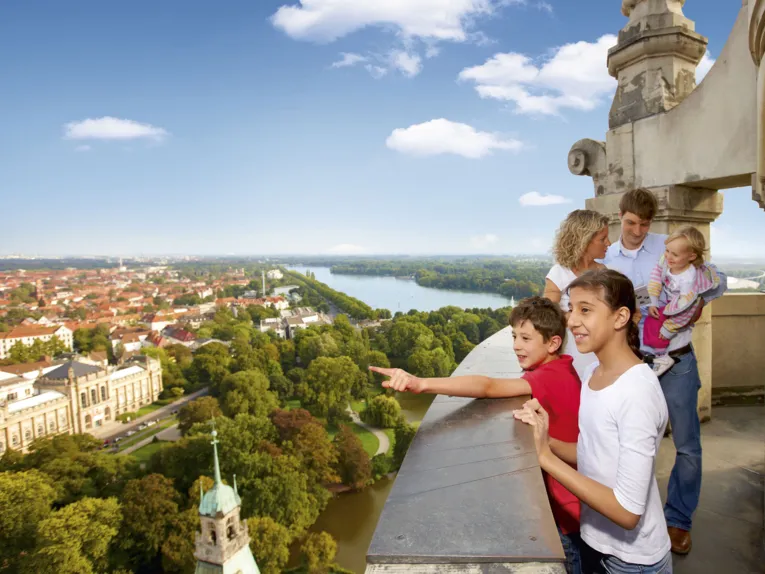
Discover Hanover
Culture & Sights
Discover the highlights in the city and region of Hanover, such as the Herrenhausen Gardens, the New...
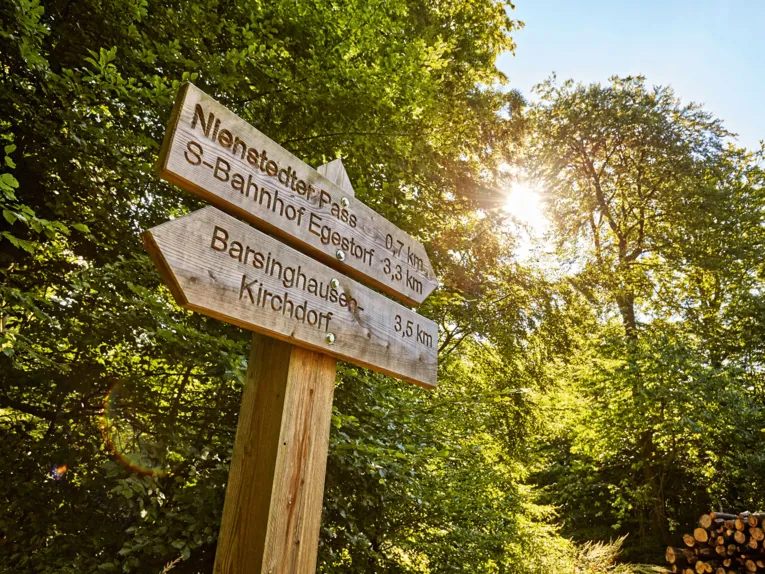
All information, all tips
Hanover vacation region
Discover special excursion destinations and beautiful landscapes in the Hanover region.
Economy in Hanover
Hanoverweb
Discover Hannover's economy - opportunities, innovations and growth potential in the region.